.png)


Essential Health and Safety Compliance for Small Businesses

Running a small business comes with many responsibilities, and one of the most critical is ensuring health and safety compliance. Ignoring this area can lead to accidents, legal trouble, and damage to your business reputation. This post explains what small business owners need to know about health and safety compliance, practical steps to meet requirements, and how to create a safer workplace for everyone.
Why Health and Safety Compliance Matters
Every workplace carries some risk, whether it’s a retail shop, a small factory, or an office. Health and safety compliance helps reduce these risks by setting clear rules and procedures. For small businesses, this means:
Protecting employees from injury or illness
Avoiding costly fines and legal action
Improving employee morale and productivity
Building trust with customers and partners
Ignoring health and safety can lead to accidents that disrupt your business and harm people. For example, a slip and fall in a small store can result in serious injury and a lawsuit. Taking compliance seriously helps prevent these situations.
Understanding Your Legal Obligations
Small businesses must follow health and safety laws that vary by country and region. In many places, the law requires employers to:
Conduct risk assessments to identify hazards
Provide training and information to employees
Maintain safe equipment and work environments
Report serious incidents to authorities
For example, in the UK, the Health and Safety at Work Act 1974 applies to all businesses. It requires employers to ensure the health, safety, and welfare of their workers and anyone affected by their work. In the US, the Occupational Safety and Health Administration (OSHA) sets standards that businesses must follow.
Knowing the specific laws that apply to your business is the first step. You can often find guidance on government websites or through local business support organizations.
Conducting a Risk Assessment
A risk assessment is a simple but powerful tool. It helps you identify what could cause harm in your workplace and decide how to manage those risks. Here’s how to do it:
Identify hazards – Look around your workplace for anything that could cause injury or illness. This might include slippery floors, exposed wiring, heavy lifting, or chemical exposure.
Decide who might be harmed – Think about employees, visitors, contractors, and customers.
Evaluate the risks – Consider how likely it is that harm will occur and how severe it could be.
Record your findings – Write down the hazards and what you will do to reduce the risks.
Review and update – Regularly check your risk assessment and update it if anything changes.
For example, a small café might identify hot surfaces and sharp knives as hazards. They could reduce risks by training staff on safe handling and using protective gloves.
Creating a Health and Safety Policy
A health and safety policy is a written statement that explains how your business manages health and safety. It shows your commitment and provides clear guidance for employees. Even if you have just a few staff members, a simple policy is valuable.
Your policy should include:
Your commitment to health and safety
Responsibilities of managers and employees
How risks will be managed
Procedures for reporting accidents or hazards
Training and communication plans
Make sure everyone in your business knows about the policy and understands their role. Displaying it in a common area or sharing it during team meetings helps keep safety top of mind.
Training Employees Effectively
Training is key to making health and safety work in practice. Employees need to know how to do their jobs safely and what to do in emergencies. Training can cover:
Safe use of equipment and tools
Manual handling techniques
Fire safety and evacuation procedures
First aid basics
Reporting hazards and incidents
Use a mix of methods like face-to-face sessions, written guides, and hands-on practice. For example, a small warehouse might hold regular safety briefings and demonstrate correct lifting techniques.
Keep records of training to show compliance and identify when refreshers are needed.
Maintaining a Safe Workplace Environment
Keeping your workplace safe means regular checks and maintenance. Some practical steps include:
Keeping floors clean and free of obstacles
Ensuring adequate lighting and ventilation
Checking machinery and tools for damage
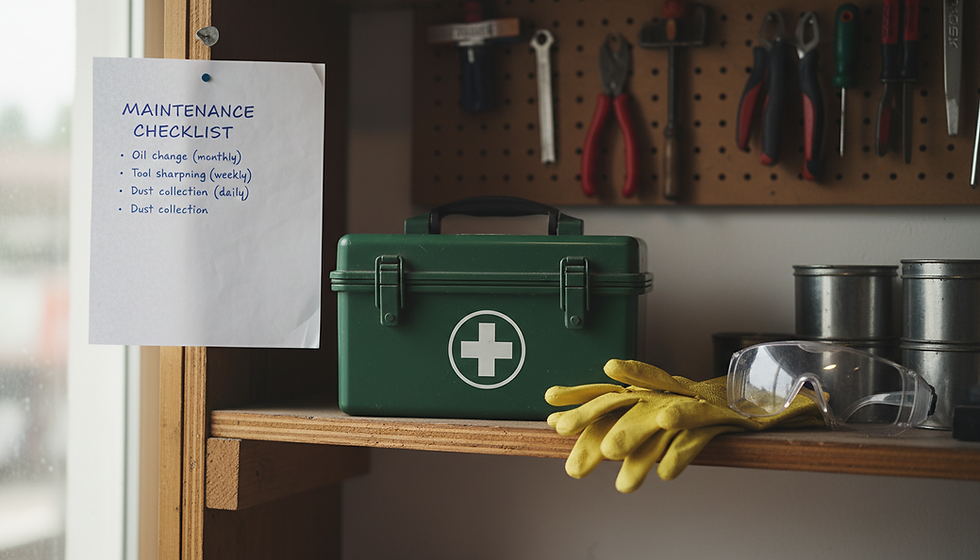
Providing personal protective equipment (PPE) when needed
Posting clear safety signs and instructions
For example, a small workshop should inspect power tools regularly and replace worn-out safety guards. A retail store might use non-slip mats near entrances and keep aisles clear.
Handling Accidents and Incidents
Even with precautions, accidents can happen. Having a clear process for handling incidents helps reduce harm and meet legal requirements. Your process should include:
Providing first aid immediately
Recording details of the incident
Investigating causes to prevent recurrence
Reporting serious incidents to authorities if required
For example, if an employee slips and falls, you should document what happened, offer medical help, and review the area to fix the hazard.
Using Technology to Support Compliance
Technology can make managing health and safety easier for small businesses. Tools like digital checklists, incident reporting apps, and online training platforms help keep everything organized.
For instance, a small construction business might use an app to conduct daily safety inspections and track issues. This saves time and ensures nothing is overlooked.
Building a Safety Culture
Compliance is not just about rules; it’s about creating a culture where safety is a shared value. Encourage open communication, listen to employee concerns, and recognize safe behavior.
Small businesses can hold regular safety meetings, involve staff in risk assessments, and celebrate milestones like accident-free months. This builds teamwork and commitment.

Practical Examples from Small Businesses
A local bakery improved safety by installing non-slip mats and training staff on handling hot ovens. This reduced burns and slips.
A small landscaping company provided PPE like gloves and eye protection, and held monthly safety talks. This lowered injury rates.
A boutique retail store created a simple health and safety policy and posted emergency exit routes clearly. Staff felt more confident during drills.
These examples show that even small changes can make a big difference.
Staying Up to Date and Getting Help
Health and safety laws and best practices change over time. Stay informed by:
Checking government health and safety websites regularly
Joining local business groups or chambers of commerce
Consulting with health and safety professionals if needed
Many regions offer free or low-cost resources tailored for small businesses. Taking advantage of these can save you time and money.
Health and safety compliance is essential for protecting your people and your business. By understanding your obligations, assessing risks, training employees, and maintaining a safe environment, you build a foundation for success. Start with small steps today and keep safety at the heart of your business. Your employees and customers will thank you.


Comments