.png)


Top Tips for Effective Workplace Risk Assessments

Workplace safety is a critical concern for every organization. Conducting thorough risk assessments helps identify potential hazards before they cause harm. Yet, many workplaces struggle with making these assessments practical and effective. This post offers clear, actionable tips to improve your risk assessment process, helping you protect employees and maintain a safe work environment.

Understand the Purpose of Risk Assessments
Risk assessments aim to find hazards, evaluate the risks they pose, and decide on control measures to reduce those risks. They are not just paperwork exercises but tools to prevent accidents and injuries. Knowing this helps focus your efforts on practical outcomes rather than ticking boxes.
Involve the Right People
The best risk assessments come from teamwork. Include employees who work directly with the tasks or equipment being assessed. Their firsthand knowledge reveals hazards that might not be obvious to managers or safety officers. For example, a warehouse worker might notice a slippery floor area that supervisors overlook.
Identify Hazards Thoroughly
Start by walking through the workplace and observing every area and process. Look for physical dangers like exposed wiring, chemical spills, or blocked emergency exits. Also consider less obvious risks such as repetitive strain injuries from poor workstation setup or stress from high workloads.
Use checklists tailored to your industry to ensure no common hazards are missed. For instance, construction sites should check scaffolding stability, while offices should assess ergonomic risks.
Assess Risks Clearly
Once hazards are identified, evaluate how likely they are to cause harm and how severe that harm could be. Use a simple risk matrix with categories like low, medium, and high risk. This helps prioritize which hazards need urgent attention.
For example, a frayed electrical cable near water is a high risk and must be fixed immediately. A minor trip hazard in a low-traffic area might be medium risk and scheduled for later repair.
Implement Practical Controls
Choose control measures that effectively reduce risk and are realistic to apply. The hierarchy of controls guides this:
Eliminate the hazard if possible
Substitute with something safer
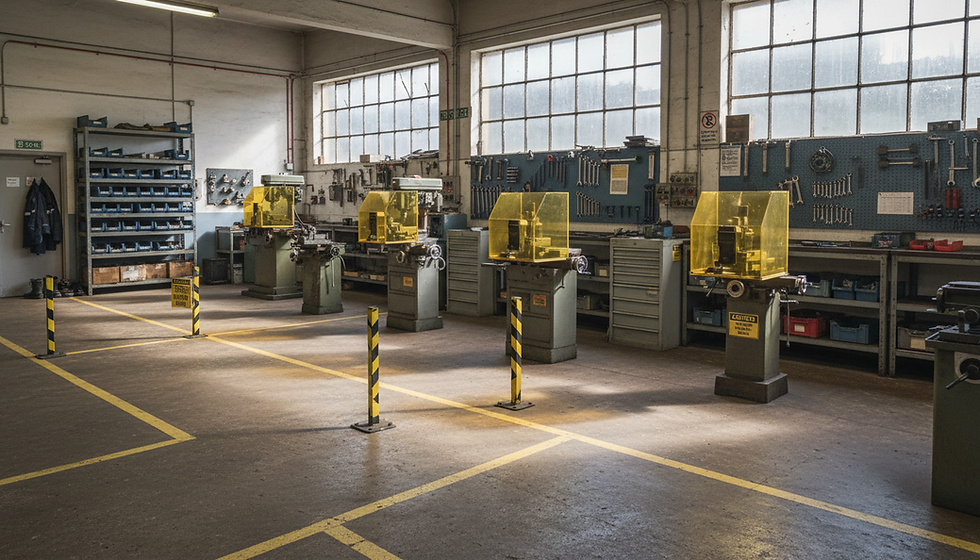
Use engineering controls like guards or barriers
Apply administrative controls such as training or signage
Provide personal protective equipment (PPE)
For example, replacing a toxic cleaning chemical with a safer alternative is better than relying only on gloves.
Keep Records and Review Regularly
Document your risk assessments clearly, including identified hazards, risk levels, and control measures. This record helps track progress and shows compliance with safety regulations.
Review assessments regularly, especially after incidents, changes in processes, or new equipment. Risks evolve, so your assessments must stay current.
Train Employees on Risk Awareness
Risk assessments are only effective if everyone understands the hazards and how to avoid them. Provide training sessions that explain common risks and safe work practices. Use real examples from your workplace to make the training relevant.
Encourage employees to report new hazards or near misses. This creates a culture of safety where risk assessment is a shared responsibility.
Use Technology to Support Assessments
Digital tools can simplify risk assessments. Mobile apps allow inspectors to record hazards on the spot with photos and notes. Software can store assessments, track actions, and send reminders for reviews.
For example, a construction company might use an app to quickly log site hazards and assign tasks to fix them, improving response time.
Focus on High-Risk Areas First
Not all hazards carry the same risk. Concentrate your efforts on areas where accidents are most likely or could cause serious harm. For example, machinery with moving parts, chemical storage rooms, or areas with heavy lifting.
This prioritization ensures resources go where they make the biggest difference.
Communicate Findings Clearly
Share risk assessment results with all employees in a straightforward way. Use clear language and visuals like diagrams or photos to explain hazards and controls. This transparency helps everyone understand their role in maintaining safety.
Learn from Incidents and Near Misses
Every accident or near miss provides valuable information. Investigate what went wrong and update your risk assessments accordingly. For example, if a worker slips in a hallway, check if the floor surface, lighting, or footwear contributed and address those factors.
Make Risk Assessment Part of Daily Routine
Safety should be ongoing, not a once-a-year task. Encourage supervisors and workers to spot hazards daily and take immediate action when possible. Regular informal checks help catch risks before they grow.
Example: Risk Assessment in a Warehouse
A warehouse team identified several hazards during their assessment:
Uneven floor surfaces causing trips
Forklift operation near pedestrian walkways
Poorly stacked pallets risking collapse
They rated forklift operation as high risk and installed barriers to separate vehicles from foot traffic. Uneven floors were medium risk and scheduled for repair. Staff received training on safe stacking and forklift awareness.
This focused approach reduced accidents and improved overall safety.
Effective workplace risk assessments protect people and reduce costs from accidents. By involving employees, focusing on real hazards, and keeping assessments up to date, you build a safer environment. Start today by reviewing your current process and applying these tips to make your workplace safer for everyone.
Comments