.png)


ChatGPT Health and Safety Documents - Are They Really Protecting Your Business?

ChatGPT can produce a polished health and safety document in seconds. It can sound professional, use the right phrases, and create pages of content that look impressive at first glance.
But the real question is not whether the document looks good.
The real question is this: would you rely on it after a serious accident, a fire, an HSE visit, or a formal investigation?
If the honest answer is “I’m not completely sure”, that concern is justified.
AI can be a useful tool. The problem starts when a business treats an AI generated document as if it is automatically correct, suitable, and legally defensible. Health and safety paperwork is only valuable when it reflects what actually happens in the workplace.
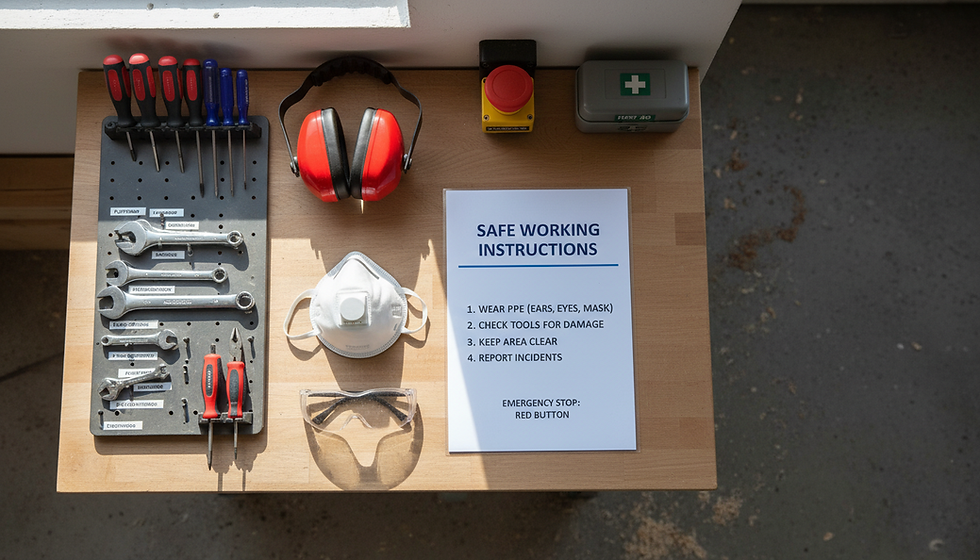
ChatGPT is good at writing, but health and safety is about real risk
ChatGPT can write a Health and Safety Policy, Risk Assessment, RAMS, COSHH assessment, or even a Fire Risk Assessment that appears well structured.
It may include common terms such as:
hazard
risk
control measures
residual risk
PPE
emergency arrangements
competent person
safe systems of work
That does not mean the document is right for your business.
Unless you give AI detailed and accurate information, it does not know:
what work your employees actually carry out
what equipment they use
how tasks are completed on site
whether staff are trained and competent
what substances are stored or used
who could be harmed by your activities
what controls are already in place
whether those controls are followed in practice
the layout and condition of your building
the state of your fire doors, exits, alarms, and escape routes
These details matter because health and safety is not a writing exercise. It is about identifying real hazards, assessing who could be harmed, and putting suitable controls in place.
HSE guidance expects risk assessments to be suitable and sufficient. That means they must relate to the actual work, not a generic version of the work.
A beautifully written document does not stop someone falling from height, being injured by machinery, breathing in hazardous dust, or being trapped during a fire.
The danger of generic health and safety documents
Generic documents can create a false sense of security.
They may say the right things, but miss the issues that matter most. For example, an AI generated fire risk assessment might mention fire extinguishers, emergency lighting, and evacuation routes. But has anyone checked whether the fire doors close properly? Are escape routes blocked by stock? Are staff trained on what to do? Is the alarm system tested? Are ignition sources controlled?
A risk assessment for manual handling might say “use correct lifting technique”. That is not enough if staff regularly lift heavy, awkward items in a cramped space without mechanical aids.
A RAMS document might describe a safe method that looks sensible on paper, but if it does not match the actual job, the equipment available, or the site conditions, it could be misleading.
This is where businesses can get into trouble. The document exists, but the risk has not really been assessed.
Paperwork should support safe work. It should not replace proper checks, judgement, and practical control measures.
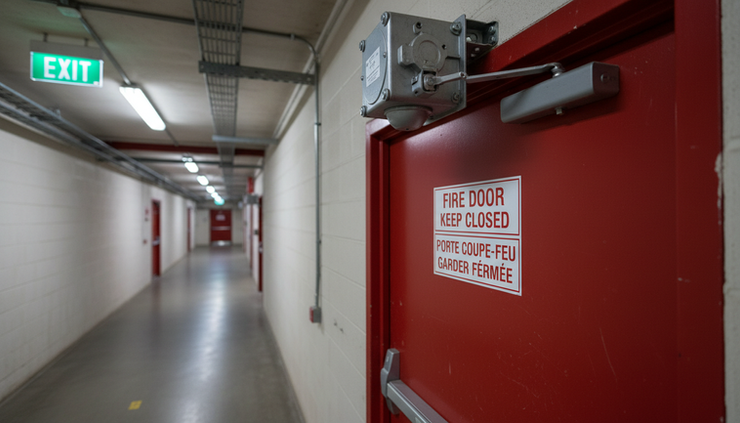
What could happen if the document is wrong
If there is an accident or incident, the quality of your health and safety arrangements may be examined closely.
That could include:
whether hazards were properly identified
whether the assessment matched the actual task
whether control measures were suitable
whether staff were trained and supervised
whether procedures were followed
whether records were accurate
whether the business took reasonable steps to prevent harm
If your document was copied, generic, or created by AI without proper review, it may not stand up to scrutiny.
The issue is not simply that AI was used. The issue is whether the final document was checked by someone competent and whether it reflects the workplace.
A business can use ChatGPT Health and Safety Documents as a starting point, but they should not be treated as a finished safety management system.
Where AI can help
AI is not the enemy. Used carefully, it can save time and support better communication.
It can help you:
organise notes into a clearer format
draft a basic policy structure
turn technical points into plain English
create toolbox talk ideas
prepare checklists for review
summarise existing procedures
improve readability
But AI should support competent health and safety work, not replace it.
The best results come when AI is used alongside proper workplace inspection, staff input, relevant legislation, HSE guidance, and professional judgement.
A strong document starts with the real workplace, then uses writing tools to present the information clearly. Starting with a polished template and hoping it fits later is where the risk begins.
How A2B SMART SAFETY can help
A2B Smart Safety Ltd can help businesses turn health and safety documents from generic paperwork into practical, suitable, and useful arrangements.
That support can include reviewing AI generated documents and asking the questions AI cannot answer on its own:
Does this policy reflect how the business actually operates?
Are the assessments specific to the tasks being carried out?
Are the control measures realistic and in place?
Are staff trained and competent?
Are fire safety arrangements suitable for the building?
Are documents written in a way staff can understand and use?
Are there gaps that could create risk during an incident or inspection?
This is where real value sits.
A2B Smart Safety Ltd can help with:
Health and Safety Policies
Risk Assessments
RAMS
Fire Risk Assessments
COSHH assessments
workplace inspections
safety audits
Accident Investigations
practical advice for small and growing businesses
support with HSE expectations and compliance and many more.
The aim is not to make paperwork longer. The aim is to make it accurate, proportionate, and useful.
Good health and safety support should help you understand your risks, protect your staff, and feel more confident that your documents reflect reality.
A simple test for your current documents
If you have used ChatGPT or any AI tool to create health and safety paperwork, ask yourself these questions:
Could a staff member follow this document during the actual task?
Does it mention the specific equipment, substances, and site conditions involved?
Has anyone competent checked it?
Does it reflect what people really do, not just what they are meant to do?
Would you be comfortable showing it to the HSE?
Would it help protect your business after an accident?
If any answer is unclear, the document needs review.
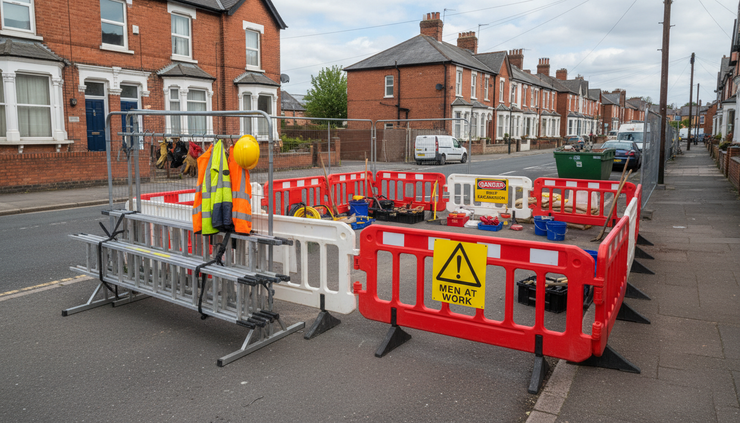
Do not confuse good wording with good safety
ChatGPT can write quickly. It can produce documents that look professional. It can be a helpful tool when used with care.
But it cannot walk your site, inspect your fire doors, watch how your staff work, check whether controls are followed, or take responsibility for your legal duties.
That responsibility stays with the business.
If your health and safety documents were created by AI and you are not certain they are suitable, now is the time to have them checked. A2B sMART sAFETY can review what you have, identify gaps, and help create documents that genuinely support safer work.
Because when something goes wrong, it will not be the number of pages that matters. It will be whether the right risks were identified, controlled, and managed in the real world.
Comments