.png)


Fire Drill Best Practices for Workplace Safety Compliance and Employee Readiness

A fire alarm is not the time to find out that staff do not know which exit to use, where to assemble, or who needs support to evacuate. Fire drills turn written procedures into real behaviour. They reveal whether escape routes are clear, whether alarms can be heard, whether fire marshals know their role, and whether people take evacuation seriously.
For workplaces across the UK, drills are also part of responsible fire safety management. The Regulatory Reform (Fire Safety) Order 2005 requires responsible persons to take general fire precautions, provide suitable training, and maintain effective emergency procedures. That means fire drills should not be treated as a once a year tick box task. They should form part of a wider system that includes risk assessment, training, communication, observation, and review.
This article is for general information only and does not replace competent fire safety advice for a specific premises.
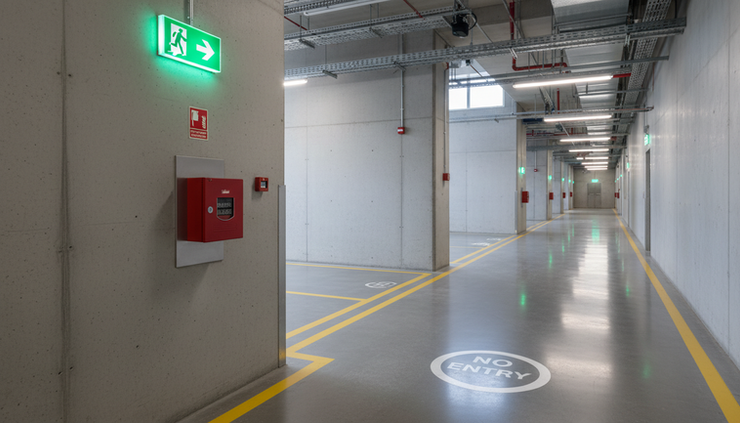
Why workplace fire drills matter
Fire drills help people respond quickly when pressure is high. In a real emergency, smoke, noise, confusion, or blocked routes can slow decisions. A well practised evacuation procedure reduces hesitation.
A good drill tests more than speed. It checks whether the workplace can evacuate safely, whether the plan works for every employee, and whether the assumptions in the fire risk assessment still hold true.
Fire drills support workplace safety in several ways.
They help staff recognise the alarm and respond without delay.
They confirm that escape routes and final exits are clear.
They test communication between fire marshals, managers, reception teams, security teams, and shift supervisors.
They highlight training gaps before an incident occurs.
They support compliance by creating records of practice, observations, and improvements.
They build confidence for employees, contractors, visitors, and anyone who may need assistance.
The value often comes from what goes wrong during a drill. If people use the wrong exit, stop to collect belongings, return to a work area, or gather in the wrong place, those behaviours can be corrected through training. Without a drill, those weaknesses may remain hidden.
How often should businesses conduct fire drills?
There is no single frequency that suits every workplace. In the UK, the right approach should be based on the fire risk assessment, the type of premises, the nature of work, the people present, and any industry specific requirements.
For many lower risk workplaces, an annual fire drill is a common minimum. Higher risk settings may need drills more often. Businesses with night shifts, rotating teams, contractors, vulnerable occupants, public access, or complex layouts should also plan additional drills to make sure all relevant people receive practical evacuation training.
A sensible fire drill schedule should consider the following factors.
Industry regulations and risk level
Different sectors face different levels of fire risk. A small low risk workplace will not have the same evacuation challenges as a manufacturing site, care setting, hospitality venue, education setting, storage facility, or premises with sleeping accommodation.
Businesses should review any sector guidance, insurer requirements, licensing conditions, and local enforcement expectations. Where there are hazardous substances, heat processes, cooking equipment, large numbers of visitors, or restricted mobility needs, more frequent drills may be needed.
High risk or complex premises may benefit from drills every six months, or at other intervals set by the fire risk assessment. Some sites may need partial drills, phased evacuation tests, or scenario based exercises to test specific arrangements.
Employee training and staff turnover
A fire drill only works if the people present know what to do. Workplaces with high staff turnover, seasonal teams, agency workers, or frequent contractors should not rely on an annual drill alone.
New starters should receive fire safety induction before they begin work. This should cover:
the sound and meaning of the fire alarm
nearest escape routes and alternative routes
assembly point location
what to do if discovering a fire
how to report concerns
the rule that no one should stop to collect belongings
arrangements for anyone who needs assistance
Fire marshals or fire wardens need extra training. They should know how to sweep their areas safely, report to the person in charge, assist with roll call where relevant, and avoid placing themselves at risk.
Shift patterns and occupancy
If a workplace operates across several shifts, each shift must be included in fire drill planning. A drill carried out at 10:00 may not test the evacuation readiness of a night team, cleaning team, warehouse shift, kitchen crew, or lone workers.
The same applies to sites with changing occupancy. A venue may operate very differently during a daytime setup period compared with a busy evening event. A factory may have different hazards during maintenance shutdowns. A school, care home, or accommodation setting may have unique challenges at different times of day.
The drill programme should reflect how the building is actually used.
Changes to the building or work activity
A new layout can make old evacuation habits unsafe. Businesses should review drill frequency after:
refurbishment or building works
changes to escape routes
new machinery, storage, or work processes
changes to occupancy levels
introduction of hazardous materials
new fire alarm or detection systems
changes to assembly points
findings from a fire risk assessment review
A drill soon after a significant change helps confirm that updated procedures work in practice.
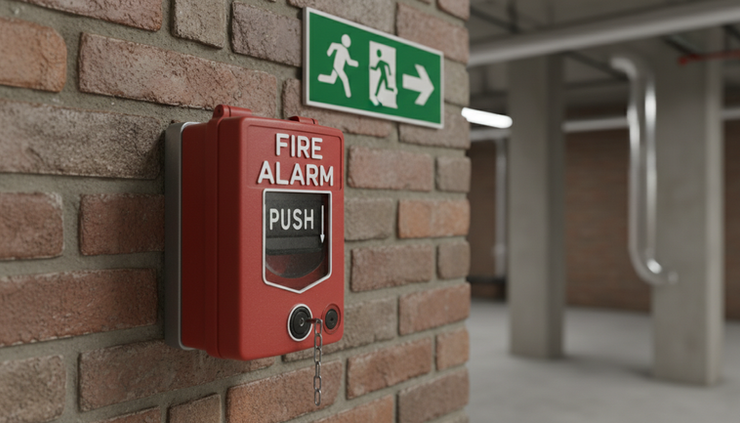
What an effective fire drill plan should include
A strong drill starts before the alarm sounds. Planning helps make the exercise safe, controlled, and useful. The aim is not to catch people out for the sake of it. The aim is to test procedures honestly and improve them.
Set clear objectives
Each drill should have a purpose. A basic evacuation test may be enough for a simple site, but other drills may need a more specific focus.
Objectives might include:
testing evacuation time from a specific area
checking whether an alternative exit is used correctly
confirming fire marshal coverage
testing arrangements for visitors or contractors
checking support for people with personal emergency evacuation plans
testing communication between departments or buildings
observing behaviour at the assembly point
When the objective is clear, the observation report becomes more useful.
Decide who needs to know in advance
Some drills are announced. Others are unannounced. Both have a place.
An announced drill is useful for induction, confidence building, or testing a new procedure. It can reduce anxiety and gives managers time to prepare vulnerable occupants or critical operations.
An unannounced drill gives a more realistic picture of normal behaviour. It can show whether staff react correctly without prompting. Even then, key people may need to know for safety reasons, such as site leadership, security, reception, facilities, or those managing high risk processes.
The responsible person should decide the right level of notice. Safety must come before realism.
Make arrangements for people who need assistance
Fire drills must include everyone, not just those who can evacuate unaided. Some people may need support because of mobility, hearing, visual, cognitive, medical, pregnancy related, temporary, or anxiety related needs.
Personal Emergency Evacuation Plans, often called PEEPs, should be in place where needed. For visitors, a general emergency evacuation plan may be suitable where individual arrangements cannot be made in advance.
During planning, confirm:
who may need assistance
what support is required
who provides that support
whether refuges are used
how communication is maintained
what happens if the usual support person is absent
Do not wait for a real fire alarm to test these arrangements for the first time.
Confirm roles and responsibilities
People respond better when they know their role. The drill plan should identify who will:
start the drill
contact or notify the alarm receiving centre if needed
contact the fire and rescue service if procedures require it
observe key points
manage the assembly point
receive reports from fire marshals
record evacuation times
decide when people can re-enter
lead the debrief and follow up actions
Fire marshals should never be expected to fight a fire unless they are trained and it is safe within the workplace procedure. Their main value during a drill is supporting safe evacuation and reporting what they observe.
Inform neighbours or shared building contacts where needed
In shared buildings, a fire drill can affect other organisations. The plan should account for landlords, managing agents, tenants, reception teams, security, and shared assembly areas.
If the alarm system is linked to monitoring, the relevant party may need to be notified to avoid an unnecessary emergency response. Keep this controlled and recorded.
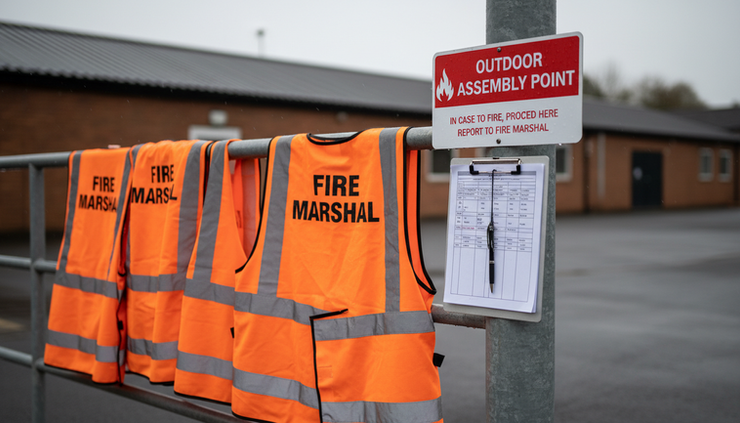
How to engage employees during fire drills
Employee engagement is one of the biggest differences between a useful drill and a poor one. If staff treat the drill as an interruption, they may walk slowly, ignore instructions, or miss the learning.
The best approach is to explain the purpose and expectations clearly. Staff should understand that a drill protects colleagues, visitors, and the business.
Keep the message simple.
Leave immediately when the alarm sounds.
Use the nearest safe exit, not necessarily the usual door.
Do not collect coats, bags, phones, or tools.
Close doors behind you if safe to do so.
Go straight to the assembly point.
Do not re-enter until told it is safe.
Report any concerns to a fire marshal or manager.
Short refresher briefings work well before planned drills. Toolbox talks, induction sessions, noticeboard reminders, and team briefings can all help. For multi site organisations, consistent language also reduces confusion.
It is also useful to explain common mistakes after drills. People often do not realise that small delays matter. A person returning for a bag can block others. A group waiting by the wrong exit can slow evacuation. A team gathering in an unsafe area can obstruct emergency access.
Positive engagement comes from treating employees as part of the safety process. Ask for feedback. Did they hear the alarm clearly? Was signage easy to follow? Was the assembly point obvious? Were any doors hard to open? Did anyone feel unsure?
Staff often notice practical issues that are not obvious on a floor plan.
What to observe during a fire drill
A fire drill should be observed, not just timed. Evacuation time is useful, but it does not tell the full story. A fast evacuation can still be unsafe if people run, use blocked routes, ignore visitors, or leave areas unchecked.
Observation points might include:
time taken for people to start moving after the alarm
whether the alarm is audible in all areas
whether staff use nearest safe exits
behaviour on stairs and corridors
whether doors close properly
whether fire doors are wedged open
whether escape routes are obstructed
how fire marshals perform their duties
whether visitors and contractors are guided
how well managers account for people
whether assembly point control is effective
whether site access remains clear for emergency services
The observer should record facts, not assumptions. For example, “three employees left by the main entrance despite being closer to the rear exit” is more useful than “staff did not follow procedure”.
Photographs may help record blocked routes or signage issues, but privacy should be respected. Avoid unnecessary images of individuals, especially during a safety exercise.
How to evaluate the drill’s success
A drill is only complete once the findings have been reviewed and actions have been assigned. The debrief should happen soon after the exercise while details are fresh.
A simple evaluation can include:
Area reviewed | Questions to ask |
Alarm response | Did people react promptly and calmly? |
Escape routes | Were routes clear, signed, and used correctly? |
Fire marshals | Did they understand and carry out their duties? |
Assisted evacuation | Did support arrangements work as planned? |
Assembly point | Was it safe, controlled, and easy to manage? |
Communication | Did the right people receive the right information? |
Records | Were times, issues, and actions documented? |
The observation report should include the date, time, location, drill type, people involved, evacuation time if measured, observations, issues found, and agreed actions. Each action should have an owner and a target completion date.
Common follow up actions include:
refreshing staff training
updating evacuation procedures
changing assembly point arrangements
improving signage
clearing or remarking escape routes
repairing doors, alarms, or emergency lighting
reviewing fire marshal numbers
updating PEEPs
repeating the drill for a specific team or shift
A poor drill result is not a failure if it leads to improvement. The real failure is finding a problem and leaving it unresolved.
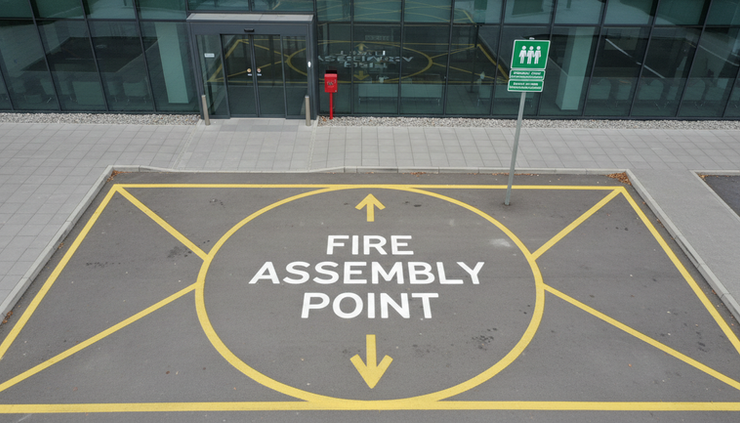
Keeping records for safety and compliance
Fire drill records show that the business is actively managing fire safety. They also help track trends over time. If the same issue appears in several drills, it may point to a deeper problem in training, layout, supervision, or workplace culture.
Records should be stored with other fire safety documents, such as:
fire risk assessments
fire safety policy
staff training records
fire alarm test records
emergency lighting checks
fire door checks
extinguisher maintenance records
PEEPs and evacuation plans where appropriate
action plans and completion evidence
Good records do not need to be complicated. They need to be accurate, clear, and easy to review.
How A2B Smart Safety can support workplace fire drills
Planning and reviewing fire drills takes time, competence, and attention to detail. A2B Smart Safety can support businesses with practical help at each stage of the process.
This can include arranging the fire drill, helping ensure the exercise is suitable for the premises, observing how the evacuation is carried out, and creating a clear observation report afterwards. That report can highlight what worked well, what needs improvement, and what actions should be taken next.
A2B Smart Safety can also train staff on how to carry out fire drills going forward. This is especially useful for businesses that want internal teams, managers, or fire marshals to run future drills with more confidence and consistency.
Support can be tailored to the needs of the site, whether the business operates from one premises or manages fire safety across multiple locations nationwide.
A practical fire drill checklist
Use this checklist as a starting point for planning and reviewing your next drill.
Before the drill:
Review the fire risk assessment.
Set the objective of the drill.
Choose the date, time, and areas to include.
Decide whether the drill will be announced or unannounced.
Confirm arrangements for people who need assistance.
Brief key staff and fire marshals where needed.
Check any alarm monitoring arrangements.
Prepare observation sheets.
Confirm assembly point arrangements.
During the drill:
Start the alarm using the agreed method.
Observe behaviour at exits, stairs, routes, and assembly points.
Record evacuation time if this is part of the objective.
Check fire marshal communication.
Note any unsafe actions or unclear procedures.
Keep the exercise controlled and safe.
After the drill:
Hold a short debrief.
Gather feedback from fire marshals and employees.
Complete the observation report.
Assign actions with owners and dates.
Update procedures or training if needed.
Keep records with fire safety documents.
Plan the next drill based on risk and findings.
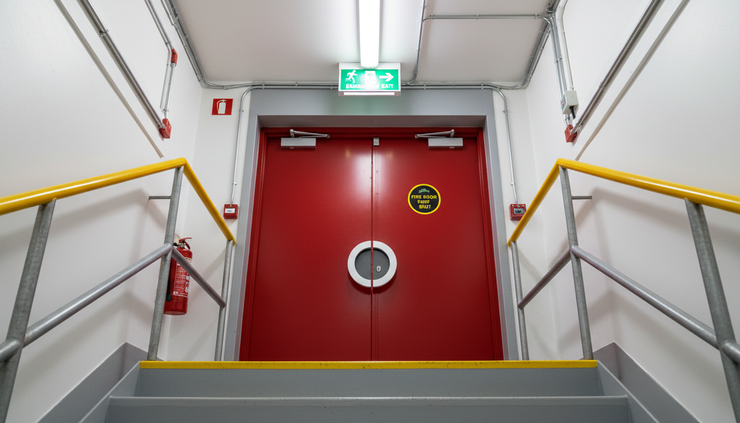
Building readiness through regular practice
Fire drills protect people by making emergency procedures familiar before they are needed. They also give businesses evidence that fire safety arrangements are being tested, reviewed, and improved.
The right frequency should reflect the level of risk, legal duties, staff training needs, shift patterns, building changes, and any sector requirements. For many workplaces, annual drills may be a baseline, but higher risk or more complex sites often need more regular practice.
A strong drill programme is planned, observed, documented, and followed up. It engages employees, supports fire marshals, and turns lessons into safer procedures.
If fire drills feel rushed, inconsistent, or difficult to evidence, expert support can make the process clearer. A2B Smart Safety can help arrange the drill, prepare an observation report, and train staff to carry out effective fire drills in the future.
Frequently Asked Questions
How often should a workplace carry out a fire drill?
For many lower risk workplaces, once a year is a common minimum. Higher risk or more complex premises may need drills more frequently.
Are fire drills a legal requirement in the UK?
Businesses must have suitable fire emergency procedures and ensure staff know what to do. Fire drills are an important way of testing these arrangements.
What should be recorded after a fire drill?
Record the date, evacuation time, observations, any problems identified and the actions needed to improve fire safety.
Do small businesses need fire drills?
Small businesses still have fire safety duties. The need and frequency of drills should be based on the fire risk assessment and how the premises are used.
Can A2B Smart Safety carry out a fire drill for my business?
Yes. We can plan and observe your fire drill, provide a clear report with actions, and train your team to manage future drills confidently.

Comments