.png)


Understanding Fire Safety Regulations in 2026: Responsibilities for Your Organisation

Fire safety in the UK has entered a critical phase in 2026. Following the Grenfell Tower tragedy and the subsequent inquiry, the regulatory landscape has shifted dramatically. New laws and standards are reshaping how organisations manage fire risks, especially in high-rise and multi-occupancy buildings. This guide explains the current fire safety framework, highlights key changes from 2025 to 2026, and outlines what organisations must do now to stay compliant and protect lives.
Fire Safety Law
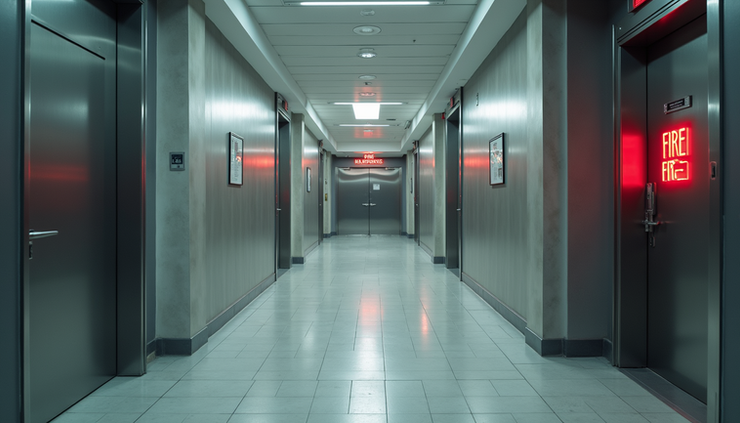
The foundation of fire safety regulation in England and Wales remains the Regulatory Reform (Fire Safety) Order 2005 (FSO). This law applies to nearly all workplaces and the common areas of multi-occupancy residential buildings. It requires responsible persons to carry out fire risk assessments and implement adequate safety measures.
The Fire Safety Act 2021 expanded the FSO’s scope by including external walls, balconies, and flat entrance doors within the regulatory environment. This change reflects lessons learned from past fire incidents where external cladding and balconies contributed to fire spread.
In 2022, the Fire Safety (England) Regulations introduced new duties for responsible persons in high-rise residential buildings. These include regular checks on fire doors, fire signage, and maintaining up-to-date building information to support emergency responders.
The Building Safety Act 2022 complements these regulations by creating the role of an “accountable person” responsible for building safety in high-risk buildings. It also establishes a digital “golden thread” of building safety information, ensuring accurate and accessible records throughout a building’s lifecycle.
Together, these laws form the legal backbone of fire safety in 2026. Organisations must understand how each piece fits into the overall framework to ensure compliance.
Key Changes Taking Effect from 2025 into 2026
Several important changes began rolling out in 2025 and will continue into 2026. These updates reflect a more proactive approach to fire safety, focusing on prevention, transparency, and accountability.
Expanded Scope of Fire Risk Assessments
Risk assessments must now explicitly cover external walls, balconies, and flat entrance doors. This means evaluating materials used, potential fire spread routes, and the condition of fire-resistant elements.
Stricter Fire Door Maintenance and Inspection
Fire doors must be inspected at least every six months in high-rise residential buildings. Responsible persons must keep detailed records of inspections, repairs, and replacements.
Enhanced Building Information Requirements
Building owners must maintain comprehensive digital records, including construction details, fire safety systems, and maintenance logs. This “golden thread” supports emergency services and regulators in understanding building risks.
New Lithium-Ion Battery Safety Guidelines
With the rise of electric vehicles and energy storage, lithium-ion battery safety has become a priority. Organisations must follow updated guidance on storage, charging, and disposal to reduce fire risks.
Increased Enforcement Powers
Regulators now have stronger powers to issue notices, impose fines, and take direct action against non-compliant organisations, especially in high-risk buildings.
These changes require organisations to review and update their fire safety policies, training, and equipment.
What to Expect in 2026 and Beyond
The regulatory environment will continue evolving beyond 2026. Some anticipated developments include:
Greater Focus on Building Materials and Design
New standards will likely emerge for fire-resistant materials and building designs that limit fire spread. This will affect new constructions and major refurbishments.
Wider Use of Technology in Fire Safety
Digital monitoring systems, smart fire detection, and data analytics will play a bigger role in managing fire risks and responding quickly to incidents.
Stronger Collaboration Between Stakeholders
Building owners, residents, fire services, and regulators will need to work more closely to share information and coordinate safety efforts.
Ongoing Training and Competency Requirements
Fire safety training will become more rigorous, with emphasis on practical skills and understanding of new regulations.
Organisations should prepare for these trends by investing in technology, building knowledge, and fostering communication.
What Every Duty Holder Should Be Doing Now
Duty holders, including building owners, employers, and compliance officers, must take immediate steps to meet current and upcoming requirements:
Review and Update Fire Risk Assessments
Ensure assessments cover all relevant areas, including external walls and balconies. Use qualified professionals if needed.
Implement Regular Fire Door Inspections
Set up a schedule for six-monthly inspections and keep detailed records. Address any defects promptly.
Maintain Accurate Building Safety Records
Develop or enhance digital systems to store building information, maintenance logs, and fire safety documentation.
Train Staff and Residents
Provide clear, practical fire safety training tailored to the building type and occupant needs. Include evacuation procedures and use of fire safety equipment.
Check Lithium-Ion Battery Storage Practices
Review storage and charging areas for compliance with safety guidelines. Remove or replace unsafe equipment.
Engage with Fire and Rescue Services
Share building information and risk assessments with local fire services to support emergency planning.
Taking these actions now reduces the risk of non-compliance and enhances safety for everyone involved.
What’s at Stake for Your Organisation
Failing to comply with fire safety regulations can have severe consequences:
Legal Penalties
Organisations may face fines, enforcement notices, or prosecution. Serious breaches can lead to imprisonment of responsible individuals.
Financial Costs
Fire incidents cause property damage, business interruption, and increased insurance premiums. Non-compliance fines add to these costs.
Reputational Damage
Fire safety failures attract negative media attention and erode trust among tenants, employees, and customers.
Risk to Life
Most importantly, inadequate fire safety puts lives at risk. Ensuring compliance protects occupants and staff from harm.
Understanding these stakes motivates organisations to prioritise fire safety and invest in necessary improvements.
How A2B Smart Safety Can Help
A2B Smart Safety supports businesses, landlords and property managers with practical fire safety advice, Fire Risk Assessments and training tailored to the premises, activities and people involved.
Support can include:
Fire Risk Assessments for workplaces, commercial premises, HMOs and other residential accommodation
Fire Door Inspections
Fire Awareness and Fire Marshal training
Emergency evacuation procedures and fire drills
PEEP support where required
Fire safety inspections and ongoing compliance reviews
Advice on fire doors, escape routes, signage and fire-fighting equipment
Practical guidance on the roles and responsibilities of duty holders
Support with identifying suitable fire safety improvements and actions following an assessment
The aim is to make fire safety clear, practical and proportionate to the risks involved, helping organisations and landlords protect employees, residents, visitors and premises while maintaining suitable evidence of compliance.
A2B Smart Safety focuses on straightforward, workable solutions that support both legal compliance and the day-to-day running of the premises.
Fire safety in 2026 requires businesses, landlords and property managers to take a proactive and practical approach. A2B Smart Safety can support you in understanding your responsibilities, identifying risks and putting suitable fire safety arrangements in place.
From Fire Risk Assessments and Fire Door Inspections to training, emergency procedures and ongoing compliance support, A2B Smart Safety provides straightforward, proportionate advice tailored to your premises and the people who use them.
Taking action now can help protect people, property and your business while giving you confidence that your fire safety arrangements are being properly managed.

Comments